'I live in survival mode': The rise of the multi-job workforce
More than one million people in the United Kingdom now hold second jobs, driven by rising living costs, insecure work, and structural industry changes. Data from the Office for National Statistics (ONS) indicates that approximately 1.3 million people in the UK currently have a second job, representing a slight decline from the record high of 1.35 million recorded in 2025.
The rise in multi-job employment coincides with an increase in the UK unemployment rate to 5%, while the number of job vacancies has fallen to its lowest level in five years. Concurrently, the gig economy has expanded to include just under five million participants. However, only one-fifth of those participating in gig work—which includes food delivery, freelance design, cleaning, dog walking, and online clothes sales—rely on it as their primary source of income.
Dr. Emily Beaumont, associate professor of enterprise and entrepreneurship at the University of Gloucestershire, noted that financial necessity is the primary driver behind this trend. "People are taking second jobs mainly because one income is no longer stretching far enough," Beaumont said. She added that while side hustles have become more common, they are not always "empowering" in an entrepreneurial sense, stating, "The rise of side hustles tells us the economy is becoming more fragmented and risk-shifted."
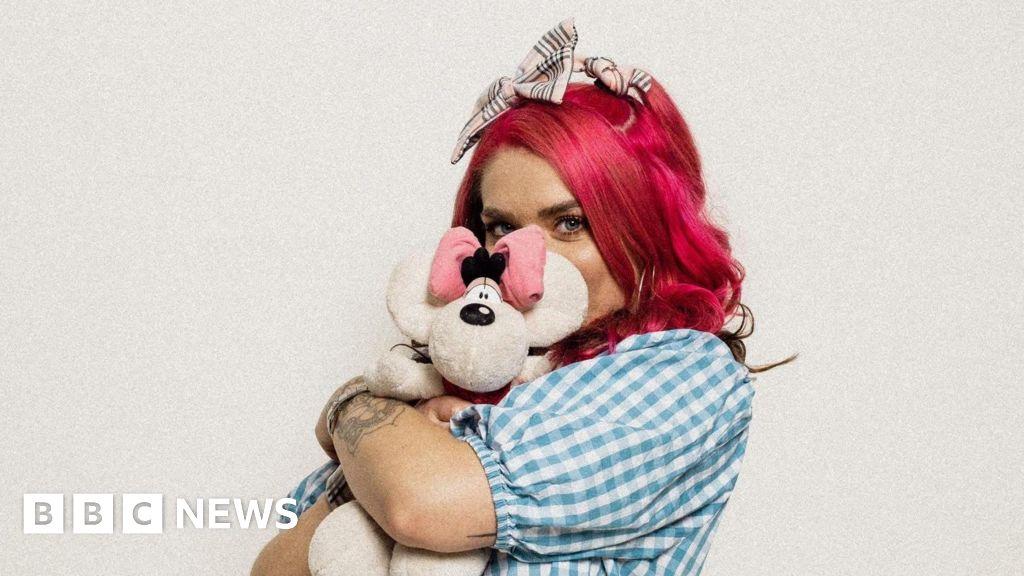
For workers like Billy-Jo Pierce of Bristol, managing multiple roles is a necessity to stay afloat in the UK’s second most expensive city. The 29-year-old Birmingham native works between 50 and 60 hours a week. She operates a business decorating teeth with cosmetic gems, while also working reception shifts, bar jobs, festival roles, and selling clothes online.
Pierce, who graduated with a first-class degree in interior design, initially built her cosmetic business alongside a full-time gaming job. "I'd finish work at like five, six pm and then go straight to my own business and stay there till like 11 pm," Pierce said. "I was working way too much, I had no social life. I felt like I was part of a massive rat race that I wasn't going to win in. I was working so hard but I wasn't saving and I wasn't really living."
After being made redundant last year, Pierce focused on her business full-time. However, rising costs and high living expenses in Bristol made surviving on a single income difficult, particularly as research indicates material costs in the beauty industry have risen by more than 90% over the past decade. Pierce now lives in a van to cut expenses, working in her studio from 10:00 to 19:00 on weekdays, followed by reception shifts until 23:00, and spending weekends working at bars or festivals. "Work is a lot and I still feel like I'm not earning a good monthly wage to ever get close to owning a house," she said. "I feel like it's quite the norm at the moment to work multiple jobs. There's definitely something wrong with what's going on at the moment."
Economic pressures have also impacted the digital design sector, where technological advancements have shifted market demand. Engy Elboreini, a 35-year-old freelance graphic designer from Bristol, reported that the last two years have been her worst trading years in over a decade of work. She attributed this decline to the accessibility of tools like artificial intelligence and Canva. "I've noticed that within the digital design industry, tools like AI and Canva being so accessible to my client base means that they end up doing a lot of the work themselves," Elboreini said.
To adapt, Elboreini has taken on creative production and coordination roles alongside her freelance projects, and is currently retraining in events management. "Whenever there is scarcity, as humans, we find solutions," Elboreini said. "Especially if you're creative - you'll always find solutions." Though she has cut back on luxury expenses like holidays and festival tickets, she remains in Bristol for its creative community. "Is this the lifestyle that I want to live? No. But being in Bristol is fun and being embedded in creative circles is more than fulfilling," she said.
For other workers, personal circumstances dictate the need for flexible, multiple income streams. Hollie, a 41-year-old single mother from Bristol, began working as a life model to support her son, Max, on a single income. "It wasn't something that I ever planned, but when you're in that position, you become open to things you might not have considered before," she said.
Hollie also works as a part-time legal assistant and occasionally as a television extra, which allows her to balance employment with school hours. "I'd rather take my clothes off and stand in a room full of artists than work a minimum wage job where I'm rushed off my feet and can't make ends meet and miss the time with my son," she said. Despite finding consistency in work, she noted that the lack of long-term security presents a constant pressure. "I'm worried a lot of time about money or about my son. But I don't feel that fear naked in a room full of strangers," she said. "I'm always thinking about the next bill, the next job, even though work is coming through, there's no real security," she added.
This document is a certified dynamic transcript synced from the Pneumetron self-hosted repository layer.
Open Source Document at bbc.com ↗