What Happened
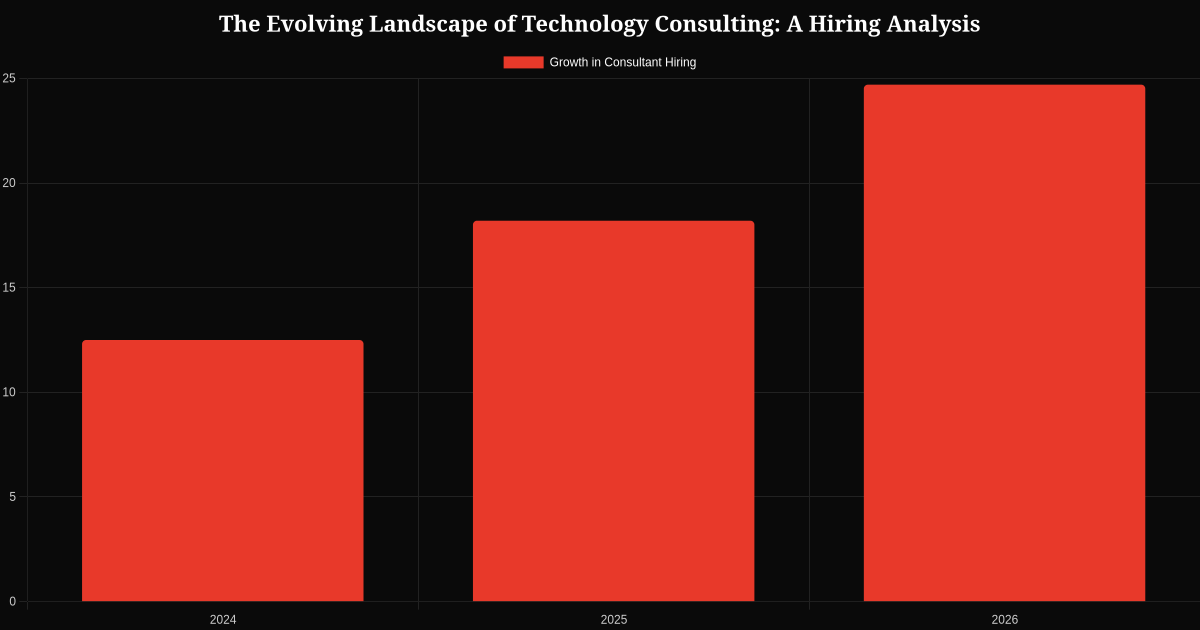
In recent months, a significant trend has emerged across the technology sector: a robust increase in the recruitment of technology consultants. Companies across various industries—ranging from finance and healthcare to retail and manufacturing—are actively seeking external expertise to navigate the complexities of modern digital infrastructure. This surge in hiring is not merely a reaction to short-term project needs but reflects a structural shift in how organizations manage their technological evolution. As businesses grapple with the integration of artificial intelligence, cloud migration, and heightened cybersecurity threats, they are increasingly turning to consulting firms and independent contractors to bridge the gap between their current capabilities and their long-term strategic goals.
Key Details
The current demand for technology consultants is concentrated in several high-growth areas. Organizations are prioritizing candidates with deep expertise in cloud architecture, particularly those proficient in AWS, Azure, and Google Cloud platforms. Furthermore, the rapid adoption of generative AI has created a massive need for consultants who can help businesses implement machine learning models, manage data governance, and ensure ethical AI usage. Cybersecurity remains a top-tier priority, with firms seeking consultants to conduct vulnerability assessments, implement zero-trust architectures, and ensure compliance with evolving global data protection regulations.
Beyond technical skills, there is a premium on consultants who possess strong project management and change management capabilities. The ability to translate complex technical requirements into actionable business strategies is a core competency that hiring managers are currently prioritizing. This shift indicates that the role of the consultant has evolved from a purely technical implementer to a strategic partner who sits at the intersection of IT and executive leadership.
Context
The rise in technology consulting hiring is deeply rooted in the post-pandemic acceleration of digital transformation. During the early 2020s, many organizations were forced to digitize their operations rapidly to survive. Today, those same organizations are moving into a phase of optimization, where they must refine their digital ecosystems to achieve better efficiency and ROI. This phase requires specialized knowledge that is often not available within a company’s existing workforce.
Additionally, the current economic climate has made companies more cautious about permanent headcount growth. Hiring consultants provides a flexible solution that allows organizations to scale their technical expertise up or down based on specific project lifecycles. This 'just-in-time' talent model has become a standard operating procedure for enterprises looking to maintain agility in a volatile market. The talent gap, particularly in niche fields like data science and cybersecurity, further necessitates the use of external consultants, as the time and cost required to train internal staff often exceed the immediate benefits of bringing in an experienced outsider.
Why It Matters
The reliance on technology consultants has profound implications for the broader labor market and the future of work. For professionals, the consulting sector offers a unique opportunity to gain exposure to diverse industries and cutting-edge technologies in a relatively short period. This variety accelerates skill acquisition and career development in ways that traditional, single-employer roles often cannot.
For organizations, the strategic use of consultants is a critical lever for maintaining competitiveness. In an environment where technology cycles are shortening, the ability to rapidly deploy expert teams can be the difference between market leadership and obsolescence. Furthermore, consultants bring an objective, external perspective that can help identify inefficiencies and systemic risks that internal teams might overlook due to organizational bias. By leveraging external talent, companies can de-risk their digital initiatives, ensuring that large-scale investments in new software or infrastructure are guided by proven methodologies and best practices.
Bottom Line
The trend of hiring technology consultants is a clear indicator of the ongoing complexity of the digital economy. As companies continue to integrate advanced technologies into their core value propositions, the need for specialized, flexible, and strategic technical talent will only grow. While the consulting model provides organizations with the agility they need to navigate a fast-paced environment, it also creates a dynamic career path for technology professionals. Moving forward, the success of these engagements will depend on the ability of consultants to not only provide technical solutions but to act as catalysts for organizational change, helping businesses bridge the gap between legacy operations and the future of digital innovation.
Pneumetron
Data Insights
PNEUMETRON EDITORIAL TEAM
Rajini Ravindra holds an M.A. in History from Mysore University (KSOU). Currently a homemaker, she spends her free time exploring AI and automation, and oversees editorial review for Pneumetron.
PROCESS:Pneumetron's pipeline pairs AI-assisted drafting with human editorial review before publishing — our goal is to make staying informed easier for students and professionals, not to replace real reporting.
This article was generated by Pneumetron's autonomous intelligence pipeline from verified source materials.
Open Source Document at news_rss ↗