Microsoft, the Federal Aviation Administration, JPMorgan Chase, Apple, the NSA, and United Airlines experienced major service disruptions within a single week in late November, all confirmed as non-malicious technical failures. The synchronized outages, which grounded flights, halted banking transactions, and knocked enterprise communication platforms offline, were driven by routine maintenance, legacy system modernization, and a surge in AI-assisted vulnerability patching.
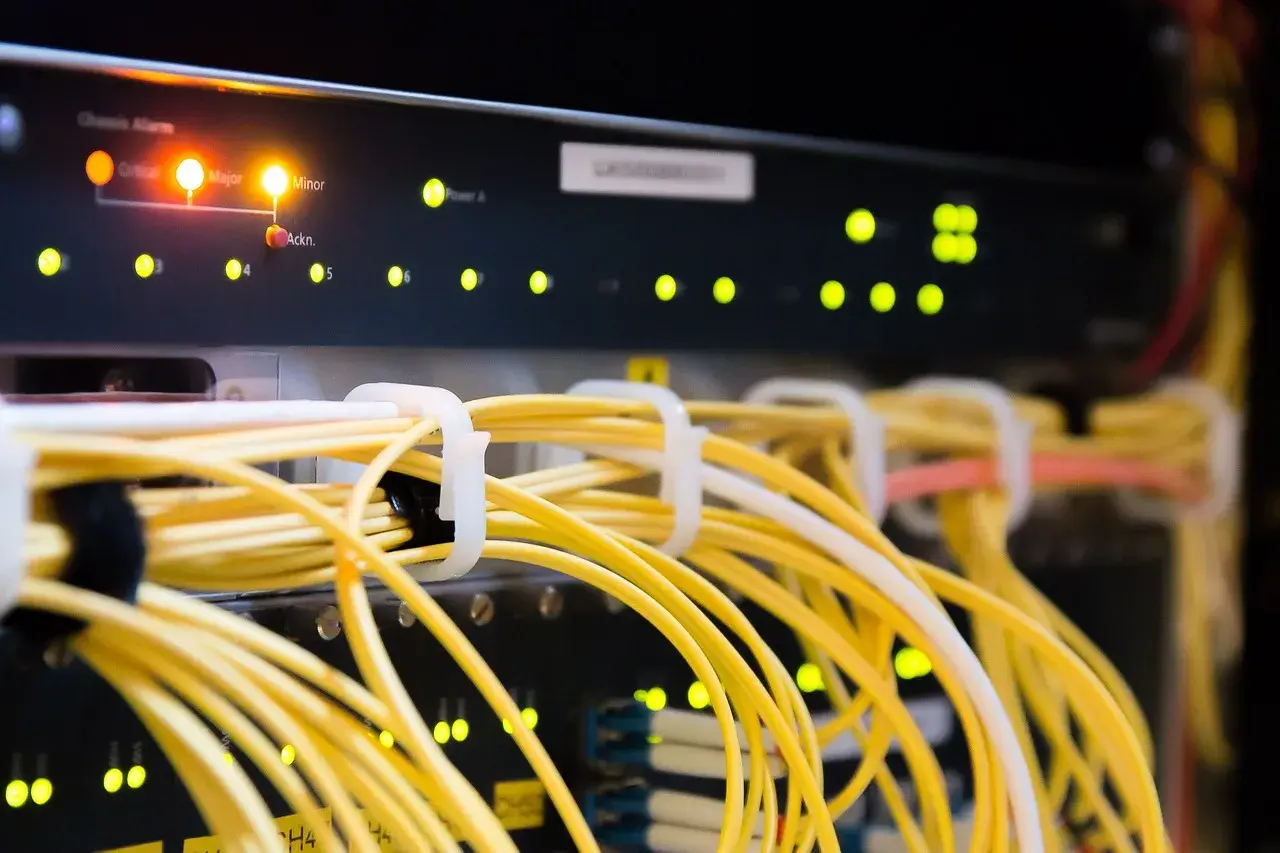
Microsoft’s outage, which took down Outlook, Teams, and Copilot for nearly 48 hours, stemmed from a code update deployed in July that propagated through the network and conflicted with a subsequent patch. The agency responsible for the update stepped on a "landmine" during the second deployment, causing a cascading failure that took significant time to correct. The FAA’s ground stop, lasting more than four hours, was caused by L3Harris pushing a production update on a Friday afternoon to aging fiber equipment. The disruption coincided with the agency’s ongoing modernization of its telecommunications infrastructure, where new modern systems overwhelmed legacy hardware that lacked the capacity to handle the traffic.
Chase attributed its banking disruption to a software bug in its own hardware. Because banks operate as counterparties, the failure rippled through the financial sector, affecting multiple institutions. United Airlines delayed more than a hundred flights due to a separate technology issue, while the NSA’s classified internal network went down following routine maintenance. Apple’s internal update similarly disrupted iCloud and Apple Pay. Officials and the affected companies have consistently stated that none of these incidents were the result of cyberattacks or coordinated hacking campaigns.
The patching surge and legacy infrastructure
The clustering of these failures points to a specific operational bottleneck: the friction of rapidly modernizing aging infrastructure. Dave DeWalt, former CEO of McAfee and current cybersecurity investor, described the outages as the growing pains of a security system that is actively getting stronger. He noted that AI security tools are surfacing vulnerabilities at a speed and scale previously unseen, forcing enterprises to rush patches before malicious actors can exploit them.
Anusha Iyer, founder of the security startup Corsha, emphasized that the fault lies with the rushed integration of modern and legacy systems. Industrial and enterprise systems were never designed to be securely connected at the scale demanded today. When organizations attempt to merge advanced AI-driven security and management tools with unsegmented, aging hardware, the operational risk spikes. Iyer pointed to the FAA incident as a prime example, where the transition overwhelmed parts of the legacy telecommunications network.
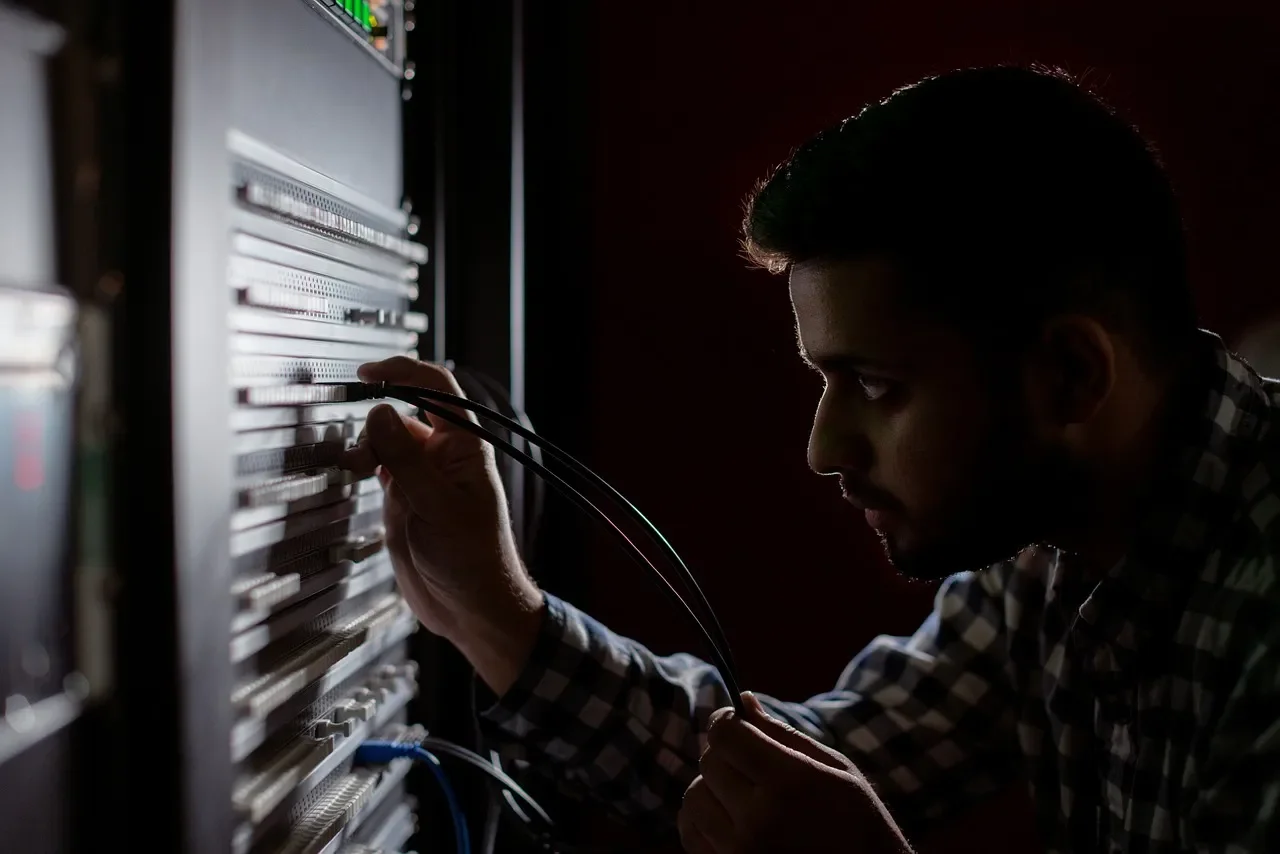
 Illustrative image: JKimsey / Pixabay
The practical upshot is that AI is accelerating the discovery of flaws that have always existed. When companies deploy AI models like Anthropic’s Mythos to identify bugs in complex, interconnected systems, the resulting patching cadence increases dramatically. Pushing a high volume of complex patches simultaneously across fragile infrastructure naturally increases the probability of deployment failures. Iyer noted that the rapid adoption of AI is not inherently causing the outages; rather, the fault is the rushed mix of legacy and modern systems without a clear understanding of operational risk.
Preparing for the upgrade cycle
Industry leaders are warning that the current wave of disruptions is indicative of a much larger, ongoing transformation. Microsoft President Brad Smith told CBS News that the entire global information infrastructure is effectively being upgraded right now, requiring significant investment in both system modernization and cybersecurity. He cautioned that teams should expect operational friction as technology steps change.
Director of National Intelligence Jay Clayton echoed this assessment, stating that the public should prepare for bumps in the road as compute and application capabilities advance. While AI has made it easier to identify system flaws, the same technology can be used by bad actors to exploit them. The current outages are largely a byproduct of the defensive side of that dynamic: companies aggressively patching systems to stay ahead of potential exploitation.
Security experts advise that organizations need a more measured approach to AI adoption. This includes tighter segmentation of industrial systems, stricter access controls, and prioritizing what needs to be fixed and when. DeWalt expects a rise in companies focused on AI-driven vulnerability management, autonomous remediation, and safe patch testing. The immediate goal is to enable organizations to move at the speed of AI-assisted vulnerability patching without destabilizing the critical infrastructure that keeps daily operations running.
Sources
- theverge.com: We haven’t seen the last of the major tech outages
- techcrunch.com: These tech outages are giving Y2K, AI agent style | TechCrunch
- wired.com: What’s With All These Outages?
PNEUMETRON EDITORIAL
Pneumetron's pipeline pairs AI-assisted drafting with human editorial review before publishing — our goal is to make staying informed easier, not to replace real reporting.