Moonshot AI canceled a $150 million contract for Nvidia Blackwell Ultra B300 chips in Indonesia, pausing training for its Kimi K4 language model, as the US Commerce Department's Bureau of Industry and Security (BIS) formally closed the overseas cloud computing loophole for Chinese AI firms.
The new rules require overseas data centers in third countries like Singapore, Malaysia, and Indonesia to obtain BIS licenses to provide compute capacity to Chinese entities. The licensing requirement triggers at a threshold of roughly 300 modern AI chips, a volume that falls far short of the thousands of processors Chinese labs typically require for large model training. Existing operators have a 90-day transition period to screen customers for ties to China. According to the-decoder, the immediate effect is a freeze on existing deals and a pause on new negotiations.
Moonshot had agreed to prepay 50 percent of its contract instead of the industry-standard 15 percent to secure the cluster for next year. The company had previously relied on overseas access for its predecessor model, K3. In a parallel development, five lenders are considering withdrawing from a $480 million loan for Singapore-based cloud provider Aolani, which was contracted to supply Nvidia chips in Malaysia for TikTok parent ByteDance.
Supply Chain Freezes and Licensing Delays
Beyond the cloud restrictions, the new US rules are disrupting physical semiconductor supply chains. The Financial Times reports that contract manufacturers TSMC and Samsung halted certain processor shipments to Chinese customers in recent days while they apply for Commerce Department licenses. The move impacts Chinese tech firms that are already managing high memory chip prices and domestic capacity bottlenecks.
The licensing requirement now extends to advanced smartphone processors, eliminating previous exemptions for non-AI chips. TSMC and Samsung must now secure licenses for processors destined for manufacturers including Xiaomi, Oppo, and Vivo. Industry insiders indicate this will cause significant production delays. Huawei recently advised its customers to source their own memory for its new AI chip, highlighting the strain on the local supply chain.
Samsung's affected customers include ByteDance and Baidu's AI data center unit, Kunlun. The rules also block a workaround through independent packaging and testing firms that Chinese chip designers had used to order high-performance processors without direct US approval.
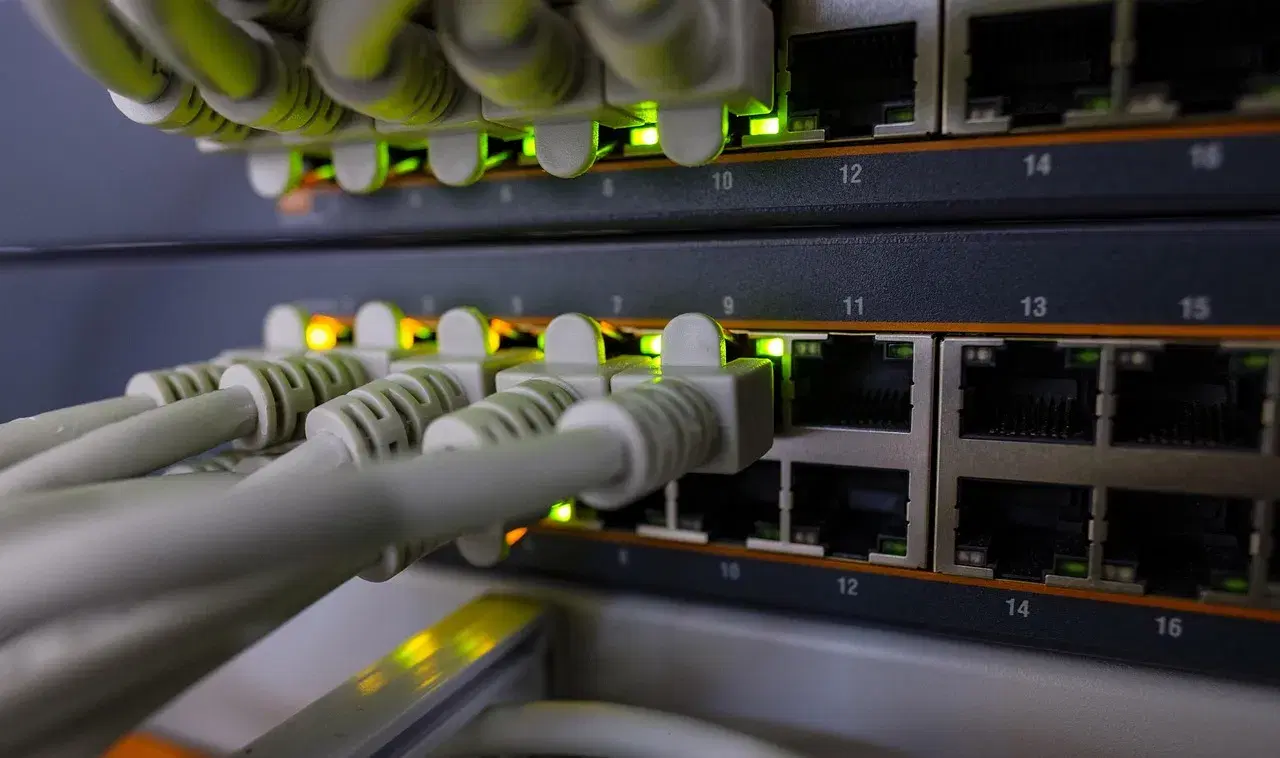
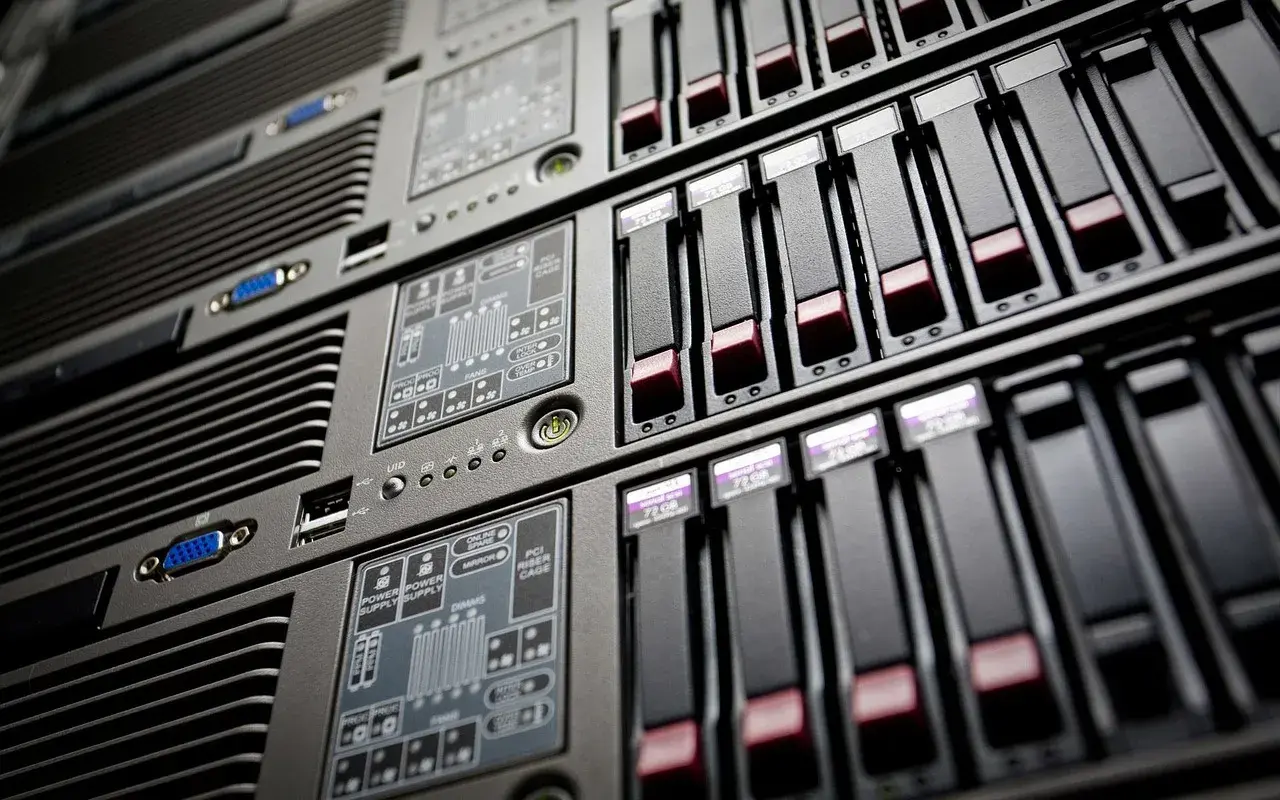
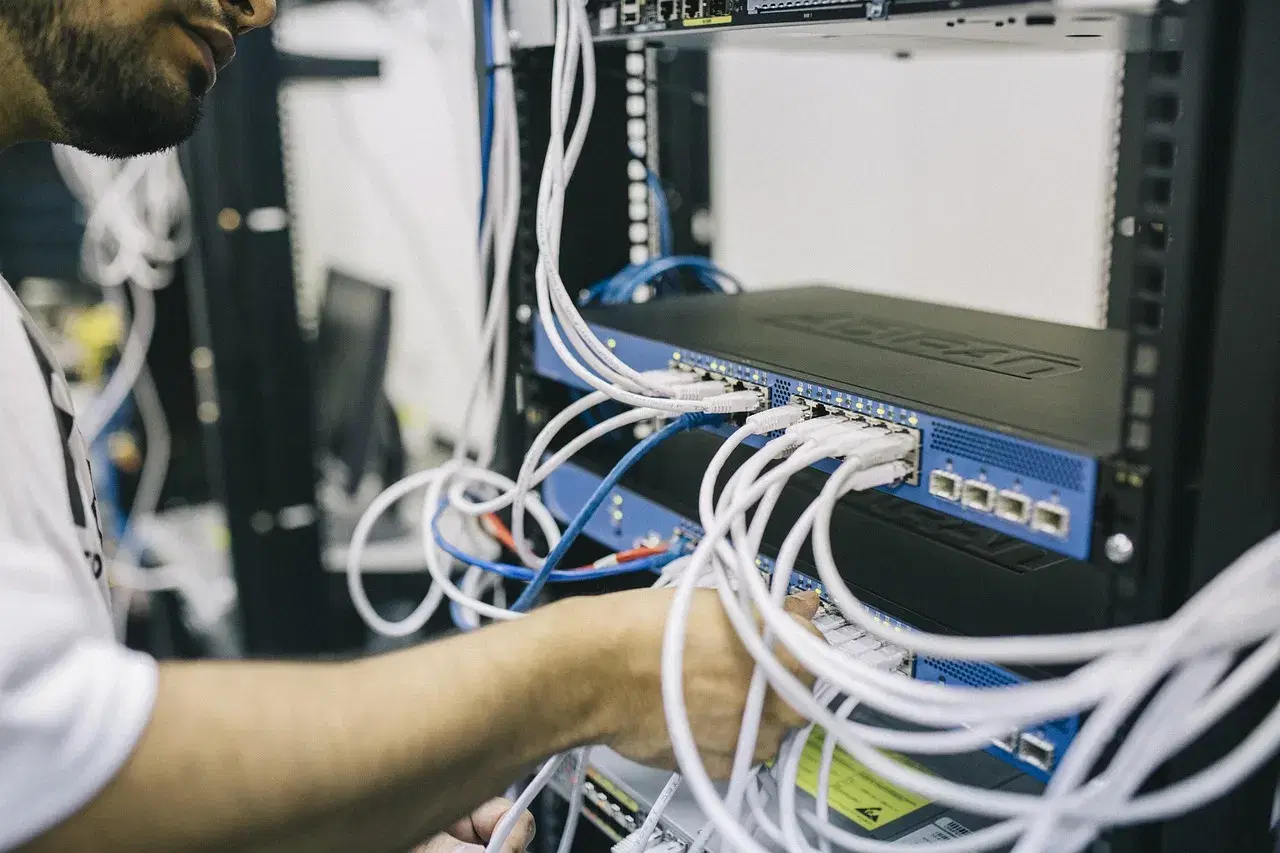
 Illustrative image: papazachariasa / Pixabay
The Infrastructure Behind the Loophole
The accelerated enforcement follows an investigation into how Chinese firms bypassed earlier restrictions through remote access and smuggling. A New York Times report identified Alibaba as the primary customer and financier behind Alice Huang's Singapore-based firm, Megaspeed, which purchased more than $4 billion worth of Nvidia chips.
Megaspeed operated the chips in a data center in Johor, Malaysia, built by conglomerate YTL. The infrastructure sourced servers from Aivres, a US subsidiary of Inspur, and routed data to China via fiber-optic and undersea cables. Security firm Infrawatch analyzed the setup, showing a direct link between the overseas hardware and Chinese research entities. Bloomberg reported that roughly 50,000 of the estimated 136,000 AI chips Megaspeed imported into Malaysia and Indonesia were unaccounted for in Nvidia's initial inventory checks.
Alibaba maintains a direct connection to Zhejiang Lab in Hangzhou, which links civilian and military research. Researchers at the lab utilize the Nvidia hardware for AI-driven cyberattacks and automated vulnerability discovery. The lab also collaborates with a Chinese air force academy on war-game simulations.
The policy shift moves US export controls from restricting physical hardware acquisition to regulating the usage of American technology regardless of location. For years, Chinese firms rented computing power from data centers overseas, a practice that did not violate earlier export controls because the hardware never entered China. The new rules force overseas providers to implement rigorous screening and obtain licenses, effectively treating remote access as a controlled export.
The cancellation of the Moonshot contract underscores the compute intensity required for frontier language models. Kimi K4 requires a large cluster of Nvidia Blackwell Ultra B300 chips to meet its training demands. The company's decision to cancel the $150 million deal and pause additional talks reflects the immediate operational risk introduced by the licensing delays. Bernstein analysts warn that training costs will rise as Chinese firms scramble to secure compliant compute capacity.
The enforcement burden now falls on the BIS, which operates on a $235 million budget in 2026. The agency faces the task of policing a complex global network of data centers and chip manufacturers. A study by the Federal Reserve Bank of New York found that earlier export restrictions already wiped $130 billion from the combined market value of affected American suppliers. Chinese firms are responding by developing domestic alternatives, such as Huawei's megachip linking technology and more efficient training methodologies. Researchers at the Institute for Progress estimate that China could have accumulated smuggled computing power equivalent to roughly 1 million Nvidia H100 chips by the end of 2026.
Sources
- the-decoder.com: Chinese tech firms face a double hit as chip shipments stop and overseas cloud access disappears
- wired.com: America’s AI Chip War Is Heating Up in the Dumbest Possible Ways
PNEUMETRON EDITORIAL
Pneumetron's pipeline pairs AI-assisted drafting with human editorial review before publishing — our goal is to make staying informed easier, not to replace real reporting.